
By Angela Diana, Alliance Intern from Cornell University ‘28
Not having clean water is one of the most pressing public health issues in the world right now, according to the UN, hundreds of international NGOs and the medical and public health communities. Before the advent of technology and infrastructure such as sewers and treatment plants, thousands of people died from cholera and other water-borne diseases every year, and sadly in some parts of the world they still do.
Now that high income countries have the ability to ensure clean water, it’s globally acknowledged as a human right. Except, apparently, if you live in Jackson, Mississippi.
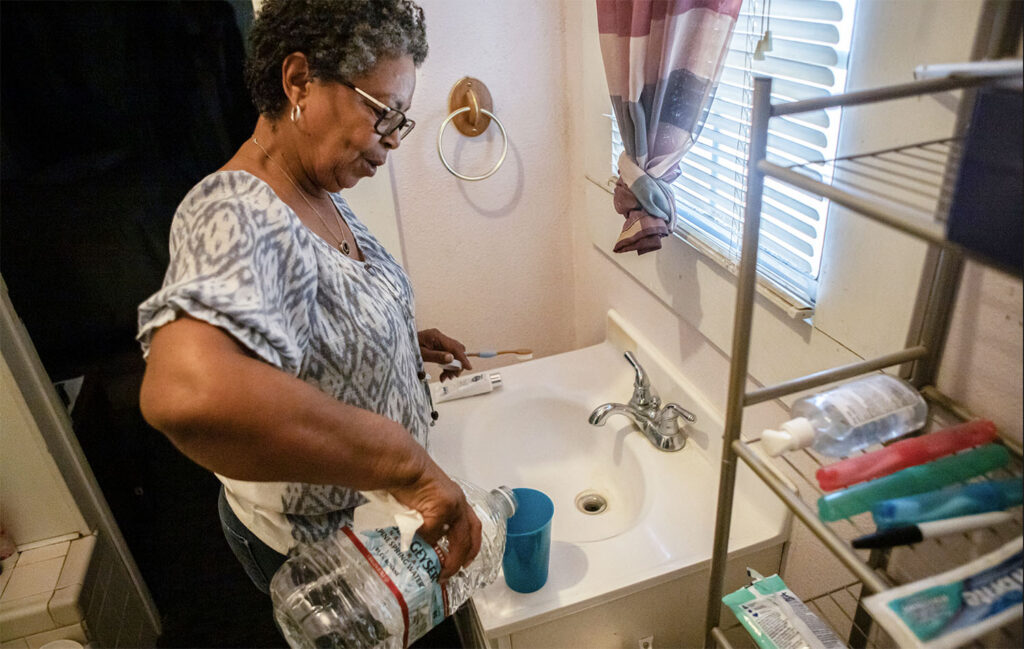
Jackson allowed its citizens to drink public water with unsafe levels of lead without informing them.
Lead leaches from corroded pipes and long-term exposure can damage the nervous system, kidneys and organs, while increasing cancer risk. Many cities have faced a range of other contaminants such as arsenic and chloride.
As a civil engineering major, I’m shocked that this would be allowed to take place and that citizens weren’t informed. From the very start of my engineering career, the concept of informed consent, making sure the people you’re working with understand what’s going on, has been drilled into me.
It is unbelievable that those ethics could be ignored for something as important as dangerous lead levels in an entire city. It’s an open secret that the governments of poor communities and communities of color are often not held to the standards of the country at large, and this situation in Jackson is a particularly appalling example of this.
Violation of Basic Rights
Recently, plaintiffs representing the people of Jackson argued that the fundamental, enshrined legal right to bodily integrity extends to what we consume. A US Court of Appeals for the Fifth Circuit ruled 10–5 in favor of the city – essentially saying that American citizens do not have the right to safe drinking water, nor the right to know when the town-sanctioned water they’re provided with is unsafe to drink.
A doctor who prescribed hundreds of patients unsafe levels of lead in a medication without their knowledge and consent would lose their license. Why should the city face no consequences? However, the Fifth Circuit ruled “the Constitution does not provide redress for every governmental wrongdoing,” as Circuit Judge Kurt Engelhardt wrote in the majority opinion.
What the Law Allows vs. Fundamental Human Rights
The Constitution was created before we had water treatment systems, so the judges are technically correct in that no specific constitutional right exists. Unless, of course, you assume the general right to life guaranteed by the first amendment covers not dying from preventable diseases, as the plaintiffs in the Jackson case did.
The Safe Drinking Water Act already sets enforceable federal standards for contaminants like lead in public water systems — which is what makes this ruling so stark. The court wasn’t saying federal law allows unsafe water; it was saying that when a city violates those standards, citizens have no constitutional claim to fall back on, only statutory and political remedies.
While federal courts have ruled that contaminated water does not automatically constitute a direct constitutional violation, cities remain heavily exposed to state environmental lawsuits, regulatory enforcement, and local tort or negligence claims. More importantly, clean water is an internationally recognized human right.
Is this really what we want the US to become? Our government should be willing to offer its citizens the same human rights everyone else in the world has a right to.
Here’s What We Can Do to Claim Our Right to Clean Drinking Water and Our Right to Know
So what can we do now, as US citizens, knowing that we and our communities are no longer guaranteed clean water? I could give you tips on how to treat your own water and ensure that it’s safe. It’s possible to buy a pH testing kit and boil it yourself to kill bacteria. However, it’s impossible for an individual to test for safe levels of the slew of chemicals, bacteria, and mineral contaminants that threaten your health if you drink them.
The first thing I would recommend is to ask your city for its required water analysis. This will give an indication of whether or not its meeting the EPA and state clean water standards. If it doesn’t meet the standards, contact your city council member and the city’s water staff and ask them what they’re doing to address it.
If you feel their response is not adequate, you can take a number of steps:
- Contact your state environmental department and the regional EPA office
- Call or write your state and federal representatives and senators to ask for their help in addressing this
- Write a letter to the editor of your local paper and share it on social media to make others aware and create a movement for change
- Contact Erin Brockovich and ask her to help speak out
Second, even if all of the standards are met, there is still unneeded chlorine in your drinking water, as well as toxic chemicals that are not tested for, such as certain pesticides and PFAS forever chemicals. You can eliminate most of them with a portable or fixed water filter. And if you want to go further, you can install a whole-house water filter that will minimize your exposure even when bathing. Springwell is one of the most effective and least cost systems (both upfront and for filter replacements).
Third, if your state doesn’t have specific legal language to protect clean water, look for an existing group or create one that will petition to add the right to clean water to your state constitution.
At least nine states have already protected the right to clean water in their constitutions. But because state agencies manage extensive water resources across thousands of miles of impaired streams, direct action by citizens may still be essential to maintaining water quality. This includes advocating for state and local policy, assuring there is informed awareness and joining in community action and participatory science efforts.