By Alliance Communications Coordinator Amy Durr
Few Americans know anything about the US Farm Bill, yet it affects each of us every day. Two of the reasons why are that it only gets voted on every five years and it’s so sprawling and complex that few people can begin to comprehend it. But understand it we must because it now contains some seriously problematic provisions.
Normally, it’s a bipartisan package of programs, including nutrition assistance (such as SNAP, WIC and child and school meal programs), conservation, ag research, crop insurance and other subsidies, intended to supply abundant, affordable food for all Americans, according to The Nature Conservancy (TNC) This is a major reason we have “cheap food,” if you don’t live in a food desert or have to choose between medicine and food.
“Each year, this legislation provides roughly $6 billion for conservation work, making it the federal government’s largest investment in the conservation, restoration and management of private working lands,” TNC continues. “These lands include farms, ranches and forests, and cover over half the total land area in the United States.”
“Farm Bill conservation programs are voluntary and incentive-based. They benefit agricultural operations of every type and size, from ranchers and farmers managing thousands of acres down to local community gardens. These programs help to restore soil health, clean up waterways, protect wildlife habitat and more. They can help farmers save and earn money — for example, by using less fertilizer or by diversifying the crops they grow — and can also help them recover after disasters such as floods and drought.”
These programs remain one of our country’s most important and successful conservation efforts.
The Proposed Farm Bill Has Numerous Problematic Provisions
Unfortunately, the normally bipartisan Farm Bill has been mired in massive debates. 179 public health, environmental and farm advocate groups are seeking to remove “a sweeping set of exemptions, waivers, and revocations undermining 50 years of environmental laws adopted by Congress to protect farmers, families, and the environment,” the New Lede shares.
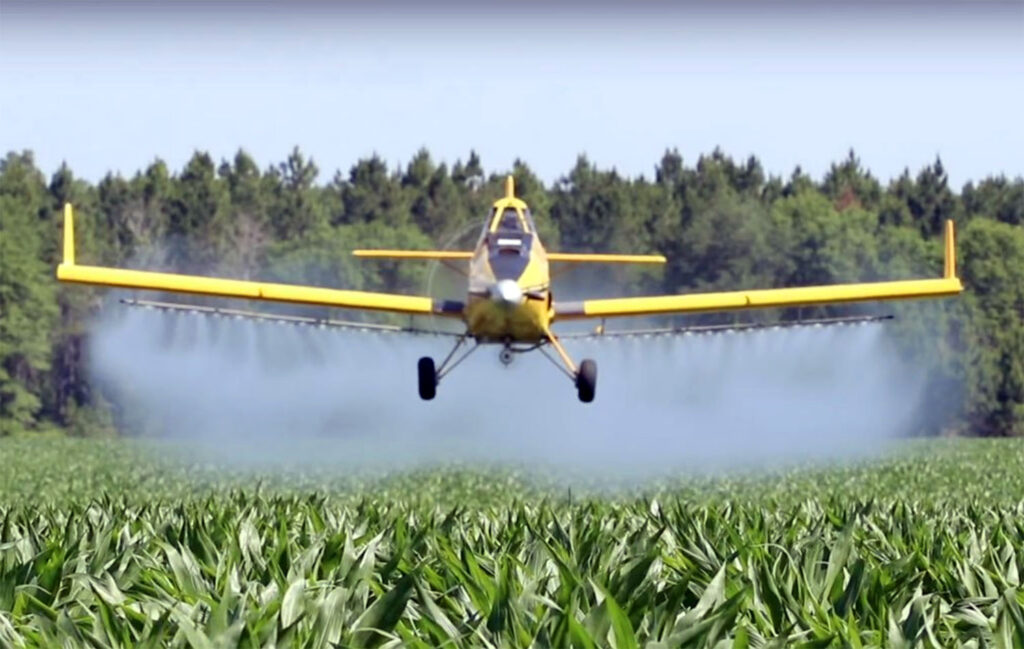
They’re asking to remove provisions weakening protections for endangered species and leaving farmers and others exposed to harmful pesticides. Other groups are protesting cuts and changes to food assistance.
“While current laws governing pesticide registration, use, and exposure have serious limitations as currently written, the identified pesticide and endangered species provisions in the Farm Bill will turn the clock back on safety standards and reviews by a generation or more and should be removed from any legislation moving forward,” the groups wrote.
One of the specific problems is that it gives the USDA, the Department of Interior (DOI) and the Department of Commerce veto authority over the EPA’s decisions on pesticide registrations. It states there will be “coordination” between the departments and that pesticides’ economic benefits should be taken into account during health and safety reviews.
However, Beyond Pesticides executive director Jay Feldman points out, “The word coordination seems innocuous, but if the EPA may not act without including an economic analysis, you’re undercutting the basic premise of a health-based standard.”
Another amendment similarly disallows the EPA from enforcing Endangered Species Act protections without consulting a working group that includes the USDA and DOI.
Take Action Today to Protect Farmers, Endangered Species and the Public
Join the Alliance in signing Beyond Pesticides’ letter to your Members of Congress to remove unacceptable pesticide provisions in the 2026 Farm Bill, undermining 50 years of public health and environmental safety standards on pesticides and conservation.