By Janine Watkins, Alliance for Sustainability Treasurer and Senior Associate, Impact Wealth and Leadership Development
Uncivil wars don’t begin in the streets, they begin within us. They take shape in the quiet arguments we replay, the resentment we carry, and the stories we build about others when we feel hurt. Left unchecked, those internal conflicts spill outward into our relationships, our communities, and the way we move through the world.
If we want to live in a world with less division, we have to become people who know how to interrupt that cycle within ourselves. Forgiveness, then, is not just personal work; this collective responsibility is one of the most practical ways we reduce unnecessary conflict in a world that is already carrying enough.
A Season of Unraveling in Relationship Leading to the Question of Forgiveness
As a child of God, born and raised in California, shaped by love in New York City, and now rebuilding in Minneapolis, I find myself in a season I did not plan for. It is a season of unraveling, of redefining, of sitting with the uncomfortable truth that love does not always look the way we imagined it would.
After almost nine years of building a relationship rooted in trust, vision, and shared purpose, I am now facing the quiet, disorienting work of picking up the pieces. It was not because love failed, or the untrustworthy woman. It was because people are human, and humanity is complex.
There are moments I feel grounded in grace, and others where I feel the sharp edge of betrayal. And in that tension, I am being asked a deeper question: What does forgiveness actually require of me?
Moving from the Anger of Betrayal in Romantic and Community Relationships
There is a particular kind of anger that comes from betrayal, not just romantic betrayal, but relational betrayal within the community. It is the anger of realizing that someone you extended trust to did not carry it with the same integrity. It is the frustration of watching narratives shift, harmful generalizations becoming stereotypical judgements, boundaries blurring, and accountability getting lost in the noise of people trying to manage perception instead of truth.
And if we are not careful, that anger can begin to define how we see everything. It can harden our hearts, narrow our vision, and convince us that protecting ourselves means closing ourselves off. But that is not protection; that is contraction, and it quietly distances us from the very love we’re trying to preserve.
Feeling Disconnected in a Connected World: Resentment Builds and Triggers Bind Us
What complicates this even more is the world we are living in. While social media may allow us to be more “connected,” we’re more divided than ever. We are constantly communicating, yet rarely feeling heard. We’re surrounded by people who say they’re “trying,” yet so often we experience the gap between intention and action.
And in that gap, resentment can grow, feeding narratives that keep us stuck in cycles of hurt. It becomes easy to label, to judge, to dismiss and to disconnect. But beneath all of that, there is a quieter truth that does not go away: Most people are navigating their own limitations, wounds and blind spots in real time.
Self-Compassion and Forgiveness for Healing Disconnection with Others and Division
This is where forgiveness becomes less about them and more about us. A line that has stayed with me comes from No Bad Parts: “If we can appreciate and have compassion for our parts, even for the ones we’ve considered to be enemies, we can do the same for people who resemble them.”
This is not an invitation to excuse behavior, but to understand the deeper layers beneath reaction. Often, what we feel most intensely is connected to something within us that is still asking to be seen, heard, or healed. When we begin to meet those unhealed parts of ourselves with compassion instead of rejection, we create space to respond differently.
And with that space, we start to return to a less reactionary, more peaceful place of possibility. We can learn to process our emotions instead of projecting them, and to communicate clearly instead of reacting impulsively.
That does not mean silence, and it does not mean tolerating what feels misaligned. One of the most honest, healing and effective forms of compassion and forgiveness is clear communication and naming what felt off, expressing what hurt, and refusing to participate in dynamics that require you to shrink. You are allowed to say, “This does not feel right to me,” and stand in that truth without escalating into harm and further polarization.
And if conversations feel overwhelming or unproductive, it is okay to step away. It is not healthy to remain in spaces where your emotions are consistently dismissed or minimized. Distance in those moments is a powerful demonstration of self-respect.
Some Self-Reflection Can Unveil Unhealed Patterns and Avoid Divisive Othering
I did not do that. When our relationship ended, I began processing my role and how I could have responded differently, including speaking up and meeting my needs. I’m aware now that we were not a good match for many reasons. As our now transforming relationship mirrors the world, I’m hopeful this will bring a deeper sense of platonic love in the long-run.
There is also a deeper awareness that begins to form in this process: not every space is meant for you, and not every group is aligned with your growth. Growth does not require you to abandon yourself. In fact, the healthiest communities are the ones that allow you to feel seen, heard and expanded, and not reduced. And when you begin to choose spaces that reflect that, you endure less pain while allowing more compassion and forgiveness, together leading to a more aligned life.
Stepping Into Spaces Where One Can Feel Fully Seen and Alive
For me, that has looked like intentionally creating and stepping into spaces where people can process, reflect and grow together. Every morning at 8 am CT, I host a 15-minute Zoom meditation, followed by an open space for reflection and shared conversation that everyone is welcome to join via our WhatsApp.
It’s not about having the right answers, but allowing people to be present with what they’re experiencing and to be witnessed without judgment. In a world where words can easily create division, these moments of stillness and shared humanity become a form of healing. They remind us that we are not alone in what we carry.
In that same spirit, every Monday from 4:30 – 6:30 pm into mid-June I am co-leading a women’s circle held at A-Mill Artist Lofts in Minneapolis, centered around the teachings of No Bad Parts. This is a space for women to explore their inner world, to understand the parts of themselves that feel reactive or hurt, and to do so in community rather than isolation. Check out our Facebook group if you’re interested in learning more or participating. Sometimes the most powerful step we can take is simply choosing to not navigate these moments alone.
Our Learnings: Forgiveness Takes Time, Showing Up Anew and Doing the Work Within
Over time, we’ve become clear that forgiveness is not something that happens all at once. It is built through small, intentional actions, and through choosing healthier thoughts, environments, and ways of responding. It is the practice of becoming a version of yourself that is not ruled by past pain, but informed by it. And that transformation does not require perfection; it requires participation. It asks you to take responsibility for your healing, even when you did not cause the hurt.
And eventually, we are brought face-to-face with a simple but challenging truth: If we want better relationships, we must show up better. If we want honesty, we must practice it. If we want peace, we must choose it consistently, intentionally, and without waiting for perfect conditions. We cannot expect the world to change if we’re unwilling to do the work within ourselves. In recognizing that while the world may still be “trying,” we have the power of “becoming.”
This can be an effective step as we seek to resolve uncivil wars, not by eliminating conflict entirely, but by changing how we engage with it. By becoming the best versions of ourselves for ourselves, we can reduce unnecessary friction fueling divisions while creating more positive relationships and inviting movements.
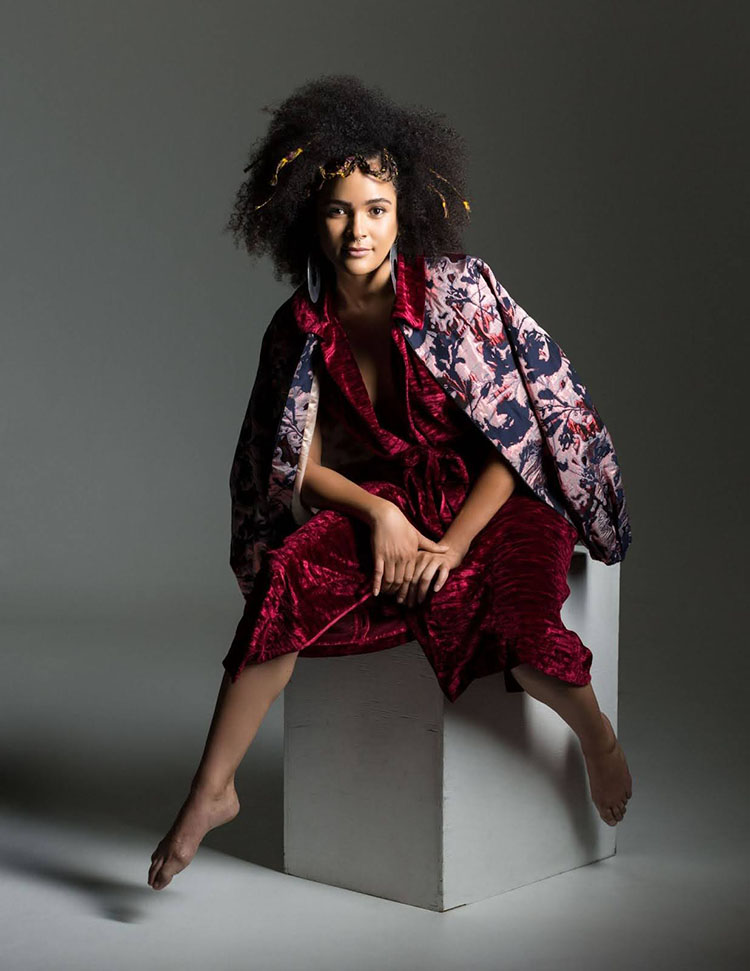
Janine Watkins, Incoming Executive Director for the Alliance, is a community builder and change agent who brings ten years combined experience as a field engineer alongside running her own financial agency. Known for connecting across disciplines, she translates vision into measurable, real-world impact.