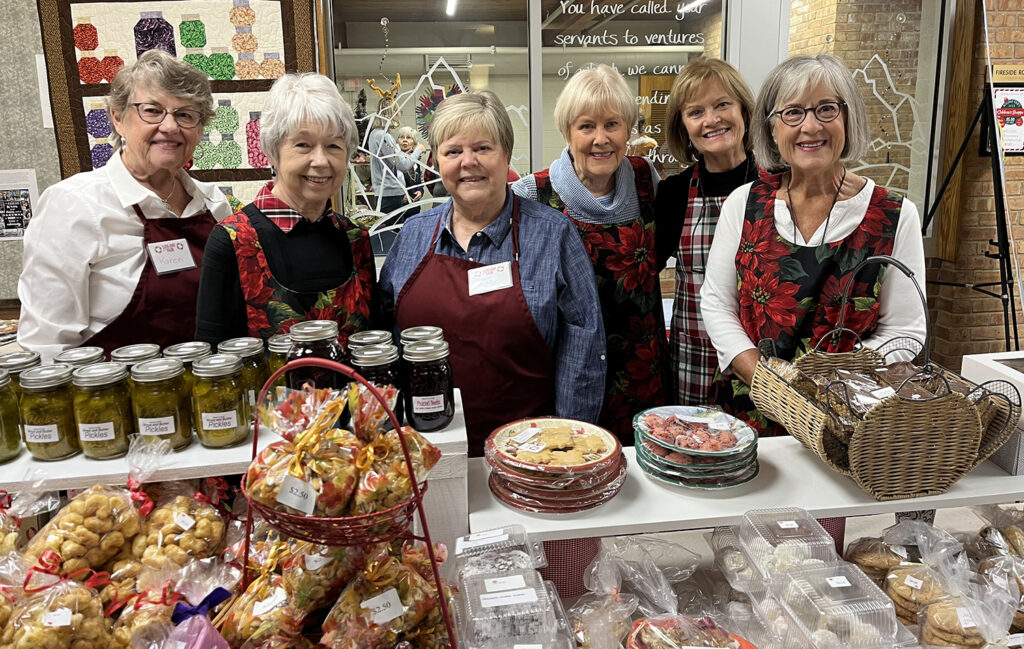
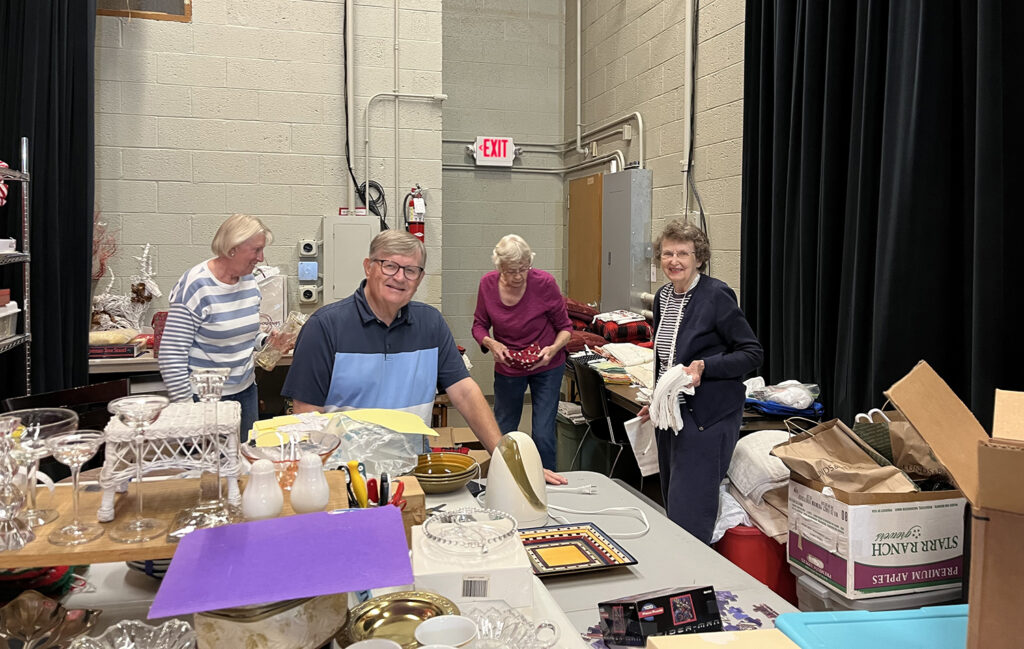
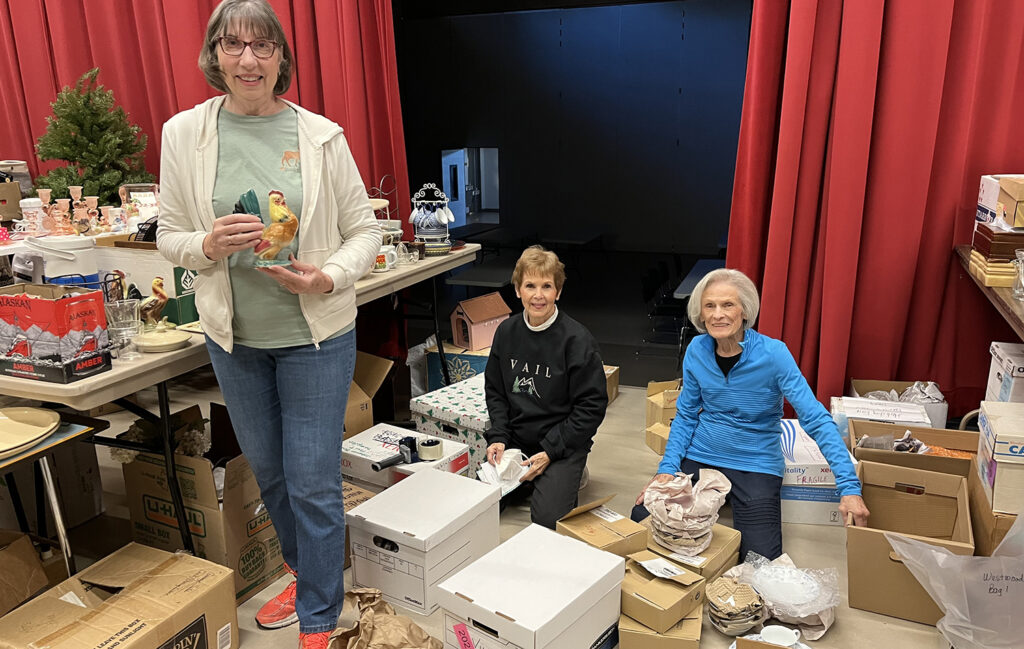
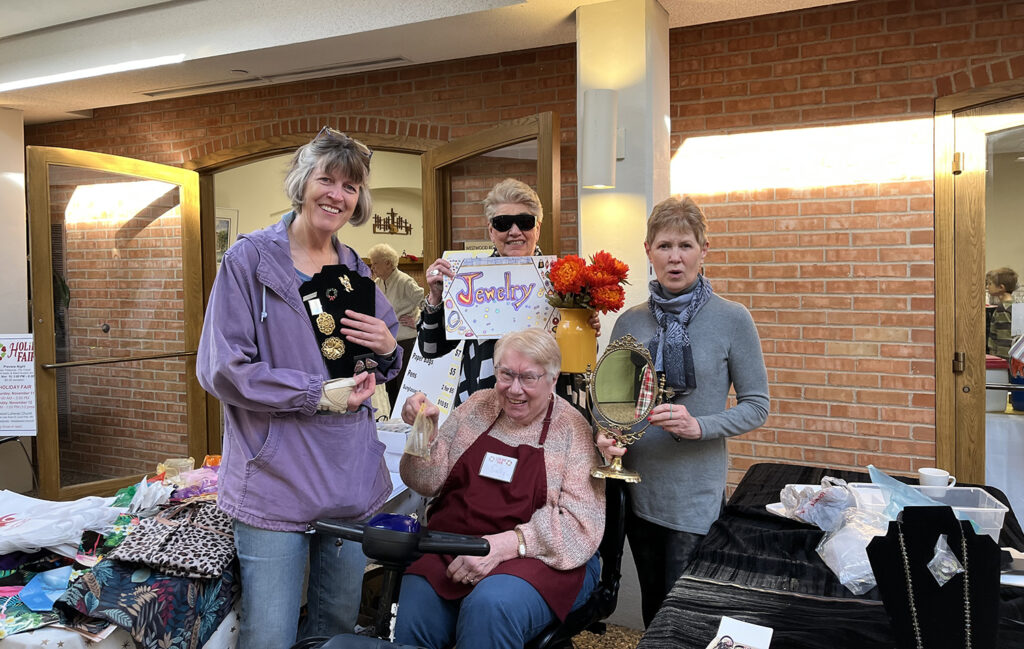
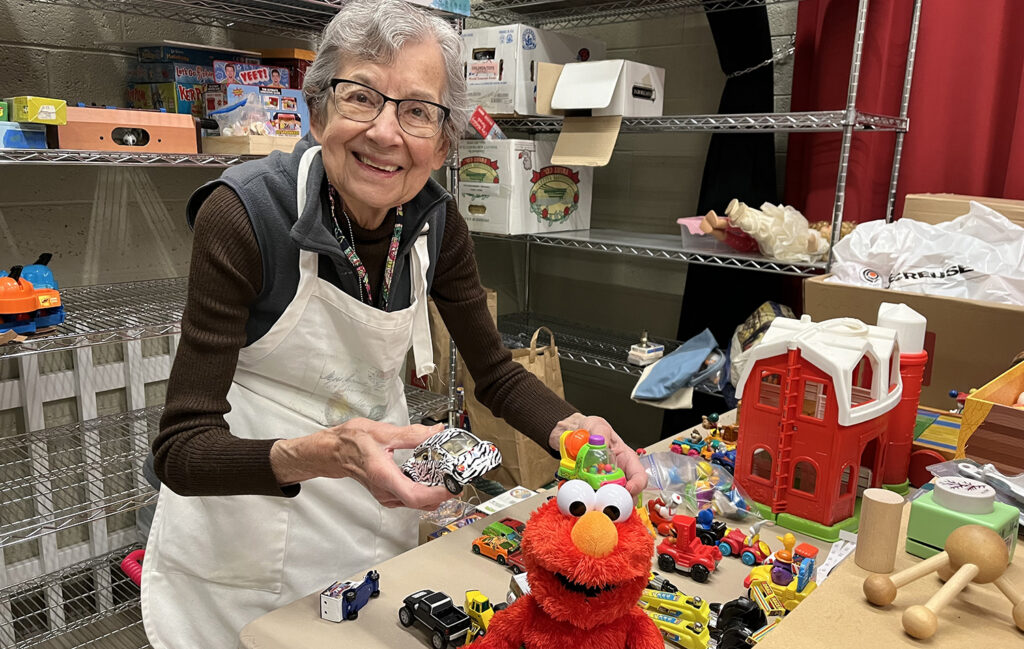
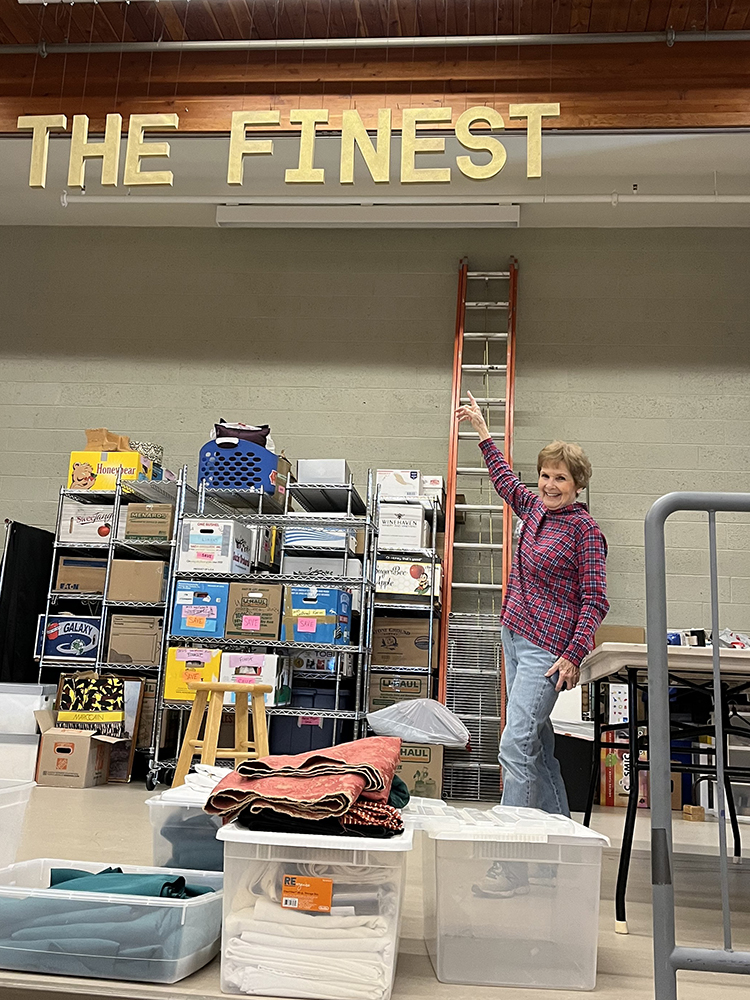
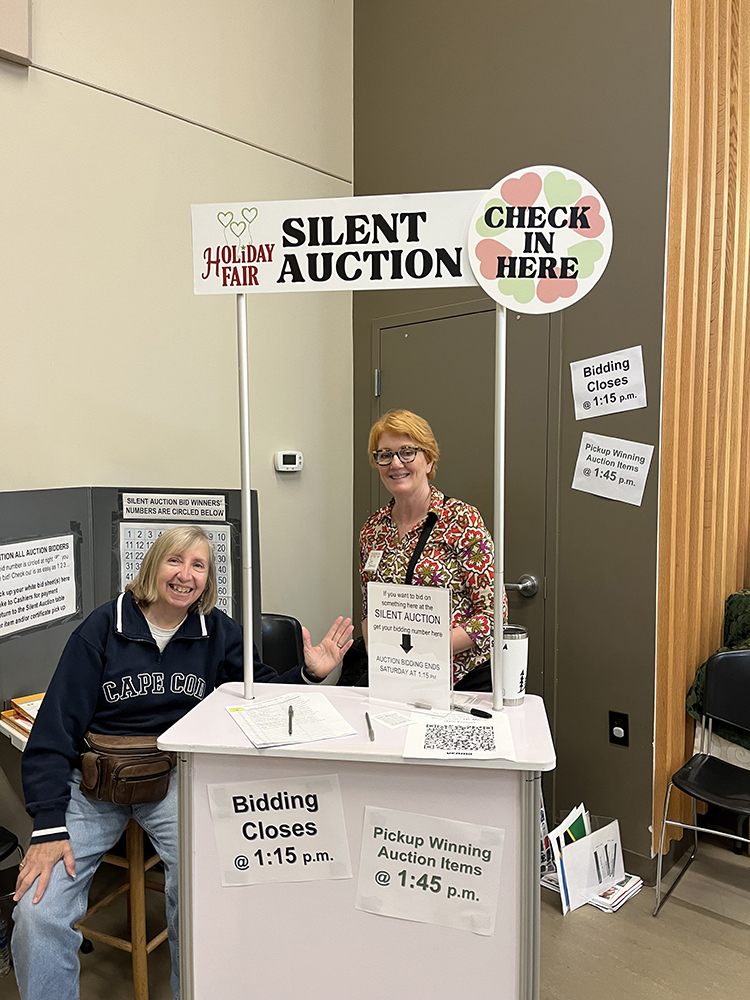
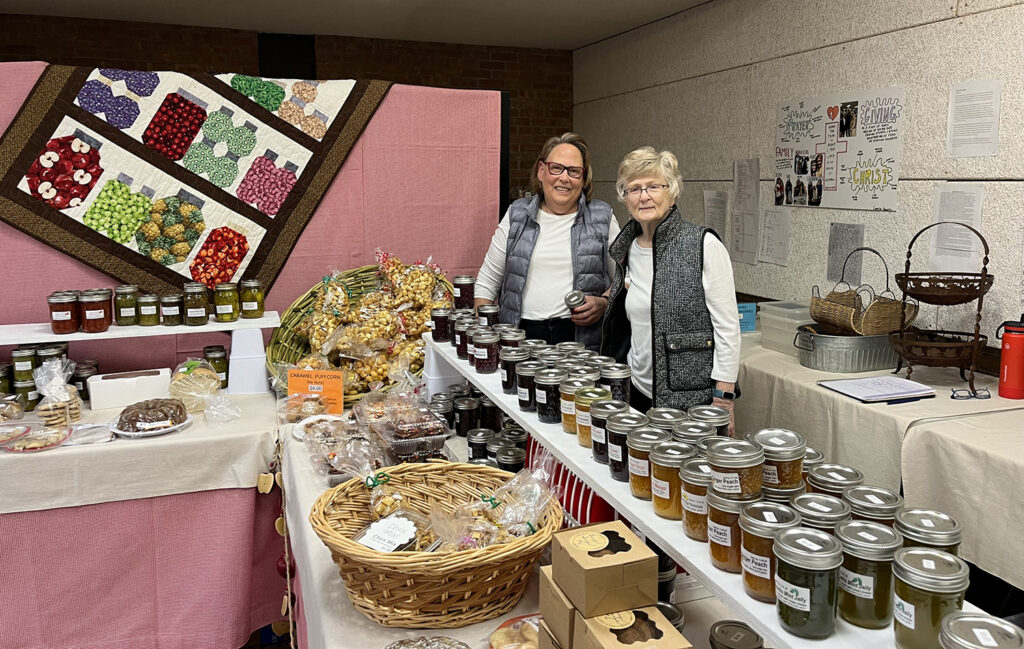
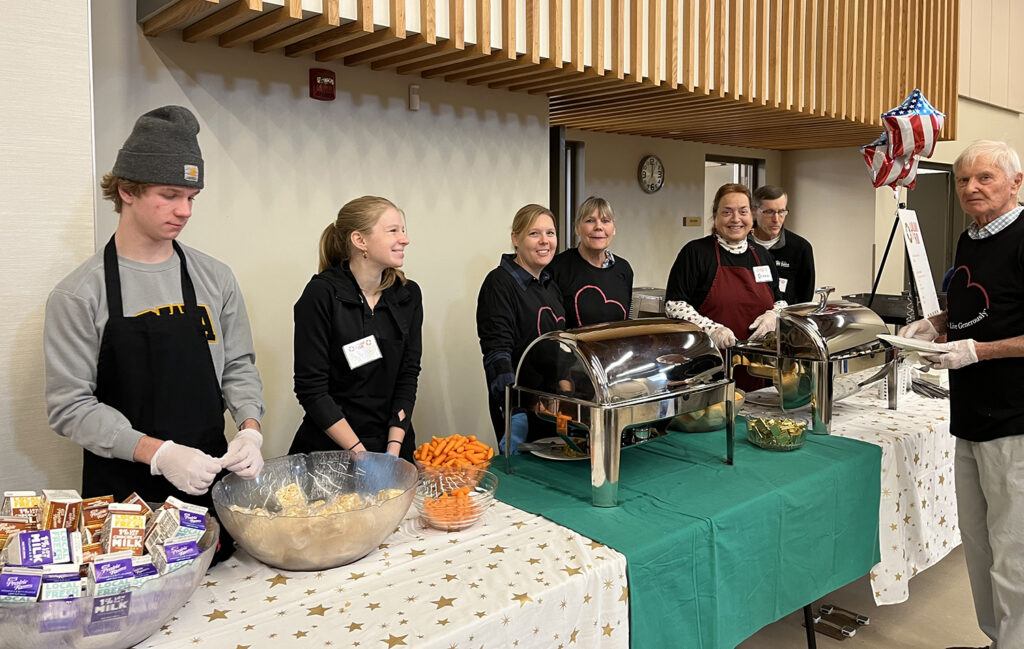
Look at all the wonderful homemade treats at the Annual “Holiday Fair Fundraiser” held by Westwood Lutheran Church in St. Louis Park, MN. The event takes months of hundreds of community members work and ALL their proceeds go to support diverse charities. Our source for the story is Peggy Moller, who is pictured second from the right. EDITOR: Makes me want to travel all the way from my home in rural central PA!
By Alliance Communications Coordinator Amy Durr
I’ve been a member of several churches and local nonprofits that struggled to fund themselves, much less other groups working hard in the same area. In fact, many times there’s a pull of scarcity where you feel a sense of competition with other programs, worried that there isn’t enough money or other resources to go around.
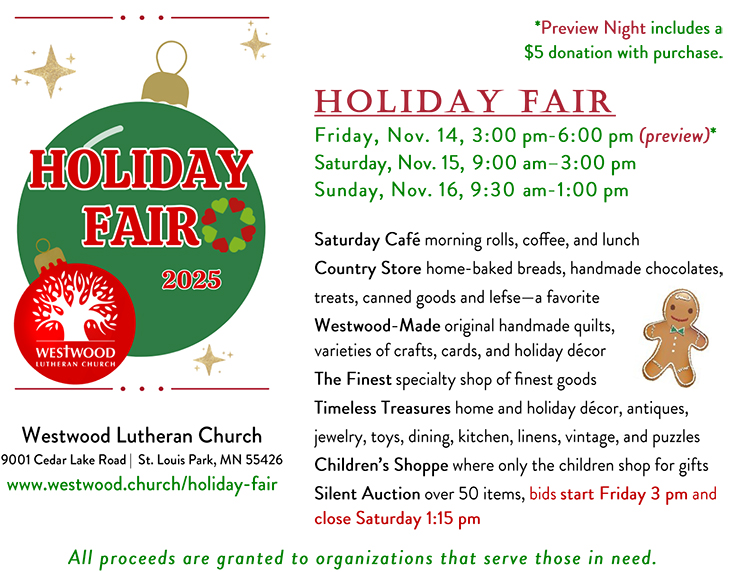
So it’s delightful to see a church holding a fundraising event in which the funds are distributed to other organizations to support their areas of expertise and knowledge. The Annual “Holiday Fair Fundraiser” held by the Westwood Lutheran Church in St. Louis Park, MN is one such bright spot.
But it’s far more than that as hundreds of people show up each year not to receive help, but to give it — freely, creatively, collectively – and to build a deep sense of community while fulfilling the needs of others. Is this humble Holiday Fair revealing a larger truth: that we survive by showing up for each other, again and again?
Plus, it’s a great example of reuse of no longer needed household items that others do need at incredibly affordable prices, along with great holiday gifts.
The Dedication and Hard Work of Volunteers for 53 Years Makes a Difference
Westwood Lutheran Church Member Peggy Moller shared with us about the history of the Holiday Fair and how it’s evolved:
Our annual Holiday Fair began 53 years ago in 1972 with the vision of an event to highlight the various talents of the Westwood members by hosting an event open to our community. The vision and mission of our event is to ‘give back’ to our community by awarding grant monies to local and regional non-profits.
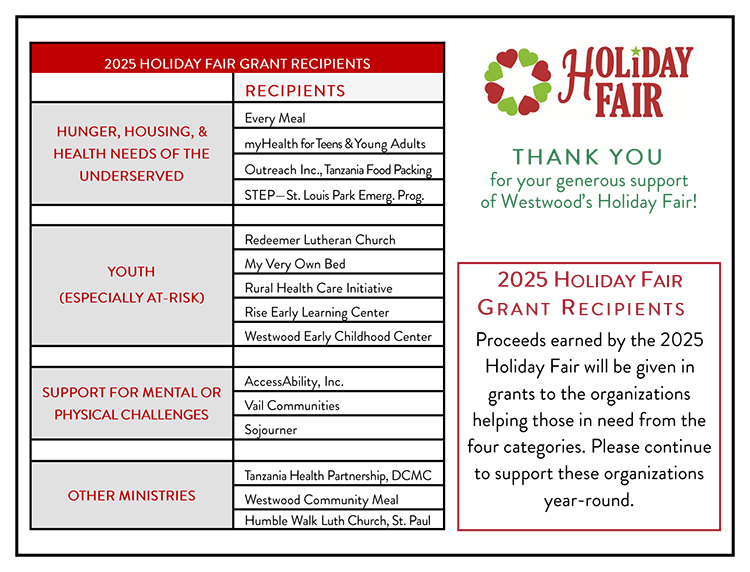
Since the year 2000 over $425,000 has been granted to “those in need” here at home and around the world.
Peggy Moller: We focus on sustainable use of resources by repurposing materials and items that are donated. All members are encouraged to donate household items they no longer use or need. Collection takes place for about two months. Items are sorted, cleaned, priced, and boxed up until our sale. All items are priced below the asking price by checking online sites.
We get many toys, puzzles, and children’s items. In the Children’s Shoppe kids can make a craft and purchase repurposed gift items for their families and friends – all wrapped and ready to go!
Peggy Moller: We have hundreds of people that donate their time and talents to make this event happen. A number of helpers are from outside our church. All are welcome!
Our grant process is posted on our Westwood website and members are encouraged to inform and share this opportunity with nonprofits they are familiar with and wish to support. A grant committee then reviews and vets the applicants based on our priorities to support locally and help the underprivileged. Grants monies are awarded after our final money count.
Let’s Do More Mutual Support to Build Community and Meet People’s Needs
Westwood Lutheran Church is certainly an inspiration and a possible model for just one of the many ways we can all think larger and engage in what can be called mutual support. Another great historic example is the mutual support provided by Hollywood, congregations and the general public to the LGBTQ+ community during the AIDS crisis.
I would suggest that many of us are in deep crisis right now, whether we’re processing the climate crisis, the possible end of the ACA Subsidies, the ever expanding ICE Raids, or simply the epidemic of loneliness.
“But here’s the crucial element to all this that brings us right to the nub of what itches at us so despairingly. Without meaningful connection – to others, to life, to ourselves – we also experience what sociologists and psychologists are calling moral loneliness,” explains Sarah Wilson in her book This One Wild and Precious Life (named after the immortal poem by Mary Oliver). “Moral loneliness is when the supply cord to connection, caring and doing the right thing by each other and the planet has been severed.”
“To have faith that a liberatory approach is their best option, some people want to see evidence that we have helped one another survive and that we can do it again,” write Kelly Hayes and Mariame Kaba in Let This Radicalize You: Organizing and the Revolution of Reciprocal Care. This inspiring book highlights the numerous possibilities for us each to be generous.
“That’s what building up projects of solidarity and mutual aid does: it creates a belief in what is possible, so that when even larger crises form, we have shown that by fighting the oppression of another we really do have the ability to target our own oppression as well,” author and organizer Shane Burley told Hayes and Kaba.
I love the possibility that each of us can choose to be generous in new and old ways that create a greater sense of community and show the way for us to co-create a world of sustainability, health, equity and kindness. What are some of the ways you’re helping to do that? I’d love to hear and share with others.